Celebrity scandals—there’s something about them that never fails to grab attention. From shocking breakups to controversial statements, the world of fame seems inseparable from controversy. The public often finds itself oscillating between admiration and judgment, all while consuming every detail. But why do these scandals captivate us so much, and what impact do they have on the celebrities involved? Let’s dive deep into the world of celebrity scandals.
The Anatomy of a Celebrity Scandal
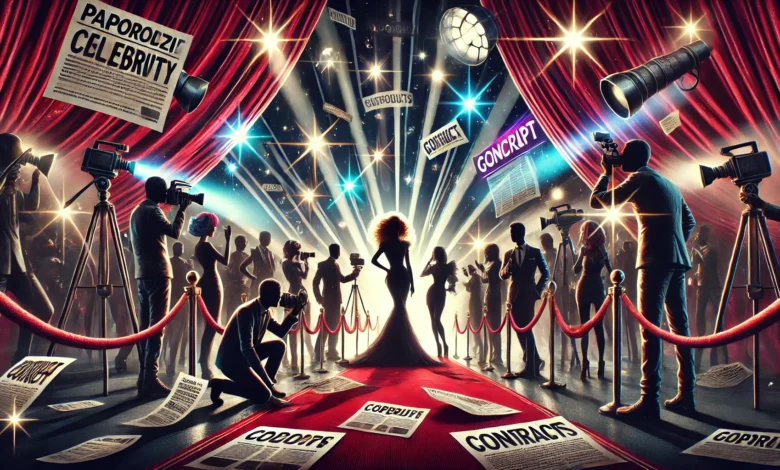
Celebrity scandals usually start with a seemingly minor incident but quickly escalate thanks to social media and news outlets. A controversial tweet, a rumored affair, or an unexpected behavior at a public event can snowball into a full-blown media storm. What’s fascinating is how fast information spreads today; what might have stayed local gossip in the past now becomes global news within hours.
The dynamics of a scandal often involve three key players: the celebrity, the media, and the audience. The celebrity is, of course, at the center of the controversy, but the media amplifies every detail. Meanwhile, the audience participates by sharing, commenting, and forming opinions, often shaping the narrative more than the celebrity themselves.
Another intriguing aspect is the lifecycle of a scandal. Some fade within weeks, while others stick around for months, affecting endorsements, public appearances, and even personal relationships. The longevity often depends on the severity of the scandal and how the celebrity chooses to respond.
Famous Celebrity Scandals That Shook the World
Over the years, there have been scandals that have left an indelible mark on pop culture. One such example is the infamous incident involving Kanye West and Taylor Swift at the 2009 MTV Video Music Awards. This moment sparked countless debates, memes, and media coverage that lasted for weeks. It not only affected their public images but also became a significant cultural reference point.
Another unforgettable scandal involved Tiger Woods and his highly publicized personal life. Once celebrated as the ultimate sports hero, Woods faced immense scrutiny over his private matters, impacting his endorsements and reputation. This scandal highlighted how even those at the pinnacle of their careers aren’t immune to public judgment.
And then there’s the saga of Britney Spears, whose personal struggles and highly publicized conservatorship sparked both scandal and advocacy. Her situation revealed the darker side of fame, showing that celebrity scandals aren’t just about gossip—they can reflect serious systemic issues and influence public perception of mental health.
Why the Public Loves Celebrity Scandals
Why do we, as a society, gravitate toward celebrity scandals? One reason is sheer curiosity. Humans are naturally drawn to stories about people who lead lives very different from their own. Celebrities are seen as larger-than-life figures, so when they stumble, it reminds us of our own humanity.
Another reason is entertainment. Scandals offer drama and intrigue that reality TV, movies, and even social media can’t always provide. People discuss celebrity missteps in their social circles, on forums, and across social media platforms, turning scandals into communal experiences. It’s almost as if we live vicariously through these ups and downs.
Finally, there’s a subtle element of morality and judgment. Scandals allow us to evaluate public figures against societal norms, forming opinions about right and wrong. This process can be both critical and empathetic, depending on how the story is told and perceived. It’s fascinating how celebrity scandals function as both entertainment and a mirror to societal values.
The Role of Social Media in Amplifying Scandals
Social media has revolutionized the way celebrity scandals unfold. In the past, tabloids and news channels were the primary sources, giving celebrities some control over the narrative. Today, platforms like Twitter, Instagram, and TikTok allow instant sharing and viral dissemination. One controversial post or leaked video can trend worldwide within hours.
Moreover, social media gives the audience a participatory role. Fans and critics alike share opinions, memes, and commentary, often shaping public perception in real time. The “court of public opinion” is now faster, louder, and more persistent than ever before, and celebrities have to navigate this constant scrutiny carefully.
Social media also adds a permanence factor. Stories and posts are archived online, making it difficult for a celebrity to fully move past a scandal. This has forced many to develop crisis-management strategies, hire PR teams, and carefully curate their online presence to mitigate damage.
Impact of Scandals on Celebrity Careers
Not all scandals end careers, but they certainly have consequences. Some celebrities experience temporary setbacks, losing sponsorships, endorsements, or roles in major projects. For instance, certain controversial tweets or behavior can lead to brand partnerships being reconsidered or withdrawn.
On the other hand, some scandals can unexpectedly boost fame. Controversy often increases visibility, keeping the celebrity relevant in media discussions. This paradoxical effect—where a negative incident brings attention—can sometimes be leveraged strategically, especially in industries that value publicity.
However, repeated or severe scandals can have lasting effects, affecting not just professional opportunities but also personal well-being. Celebrities often face mental health challenges, intense public scrutiny, and invasive media coverage, showing that fame’s glamorous side comes with a hefty price tag.
Learning from Celebrity Scandals
There’s more to celebrity scandals than mere gossip; they offer lessons for both the public and celebrities. For the audience, scandals provide insights into the pressures and realities of fame. They remind us that celebrities are human, with vulnerabilities, mistakes, and emotions just like anyone else.
For celebrities, scandals emphasize the importance of responsibility, media awareness, and strategic communication. How a celebrity responds can define their public image for years. Thoughtful, honest, or even humorous responses often mitigate negative effects, while ignoring or mishandling scandals can exacerbate them.
Finally, these incidents reflect broader societal trends. Many scandals touch on issues like privacy, social justice, gender norms, and mental health. By observing how scandals unfold and are addressed, we gain a window into cultural attitudes and values.
Conclusion
Celebrity scandals are more than just tabloid fodder—they’re cultural phenomena that blend entertainment, curiosity, morality, and societal reflection. They reveal both the highs and lows of fame, highlighting the pressures, privileges, and pitfalls that come with being in the public eye.
While the public enjoys the drama, it’s crucial to remember that behind every scandal is a real person navigating a complex world of scrutiny and expectations. In the end, celebrity scandals entertain, inform, and sometimes even educate, proving that fame and controversy have been intertwined as long as celebrity culture has existed.
You May Also Read